
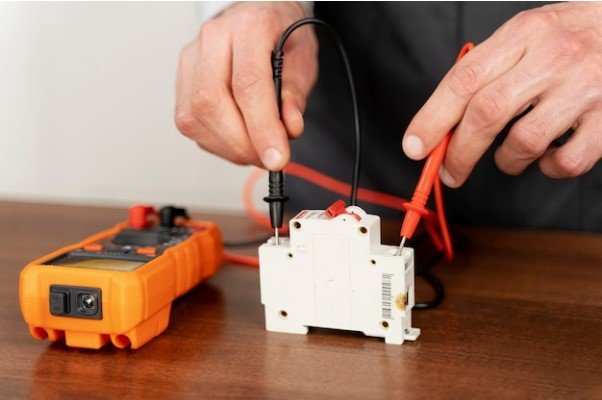

An AC to DC power converter is designed to change alternating current into direct current for electronic devices and electrical equipment. Because these devices handle electrical power, safety should be an important consideration when selecting one. A reliable ac to dc power converter should include protective features that help prevent electrical damage, overheating, and other potential problems during operation.
1. Overvoltage Protection
Overvoltage protection helps protect connected equipment when the output voltage becomes higher than the expected level. Excessive voltage can damage sensitive electronic components and reduce their operating life.
When choosing a converter, check whether it includes automatic protection against abnormal voltage conditions. This feature can provide an additional layer of safety for both the converter and the equipment it powers.
2. Overcurrent Protection
Overcurrent protection is another important safety feature to consider. If a connected device draws more current than the converter is designed to provide, excessive current can cause overheating or component damage.
A properly designed ac to dc power converter may include a protection mechanism that limits or shuts down output when an unsafe current level is detected. This can help reduce the risk of electrical faults.
3. Short-Circuit Protection
Short circuits can occur because of damaged wiring, incorrect connections, or faults within connected equipment. A converter with short-circuit protection can respond to these conditions by limiting the current or temporarily shutting down the output.
This helps protect internal components and connected devices. Before purchasing a converter, review its specifications to confirm that short-circuit protection is included.
4. Overheating and Thermal Protection
Electrical components can produce heat during normal operation, particularly when the converter is working under a heavy load. Excessive heat can affect performance and potentially damage internal components.
Thermal protection helps monitor temperature and can reduce or stop operation when unsafe temperatures are reached. Adequate ventilation and proper installation should also be maintained to support safe operation.
5. Surge and Input Protection
Power fluctuations and sudden voltage surges can place additional stress on electrical equipment. Input protection can help reduce the effects of certain abnormal electrical conditions before they reach the converter’s internal components.
Depending on the design, protective components may help manage transient voltage events. Buyers should review the manufacturer’s specifications to understand what types of surge protection are provided.
6. Quality Insulation and Enclosure
Physical construction also contributes to electrical safety. Good insulation helps separate electrical conductors from areas that users may touch, while a durable enclosure can protect internal components from accidental contact and environmental factors.
When selecting an ac to dc power converter, look for clear safety specifications, appropriate certifications for the intended market, and a housing suitable for the installation environment.
Final Thoughts
Safety features are essential when selecting a converter for electronic or electrical applications. Overvoltage, overcurrent, short-circuit, thermal, and input protection can help reduce risks during operation. Proper insulation and a durable enclosure also contribute to safer use. Before purchasing, carefully review the converter’s voltage, current capacity, protection features, certifications, and installation requirements. Choosing a suitable unit and using it according to the manufacturer’s instructions can help support reliable and safe electrical performance.